
Kenya
Synonymous with the original home of the safari, Kenya is equally spectacular in its diverse and magnificent scenery, varied habitat, fascinating culture and, indisputably, the most intense wildlife-viewing opportunities. Within the borders of a single country, you will find savannahs rich with big game; timeless tribal cultures unchanged by the modern world; pristine beaches and coral reefs; equatorial forests; mighty, snow-capped mountains; searing deserts and cool, highland retreats.
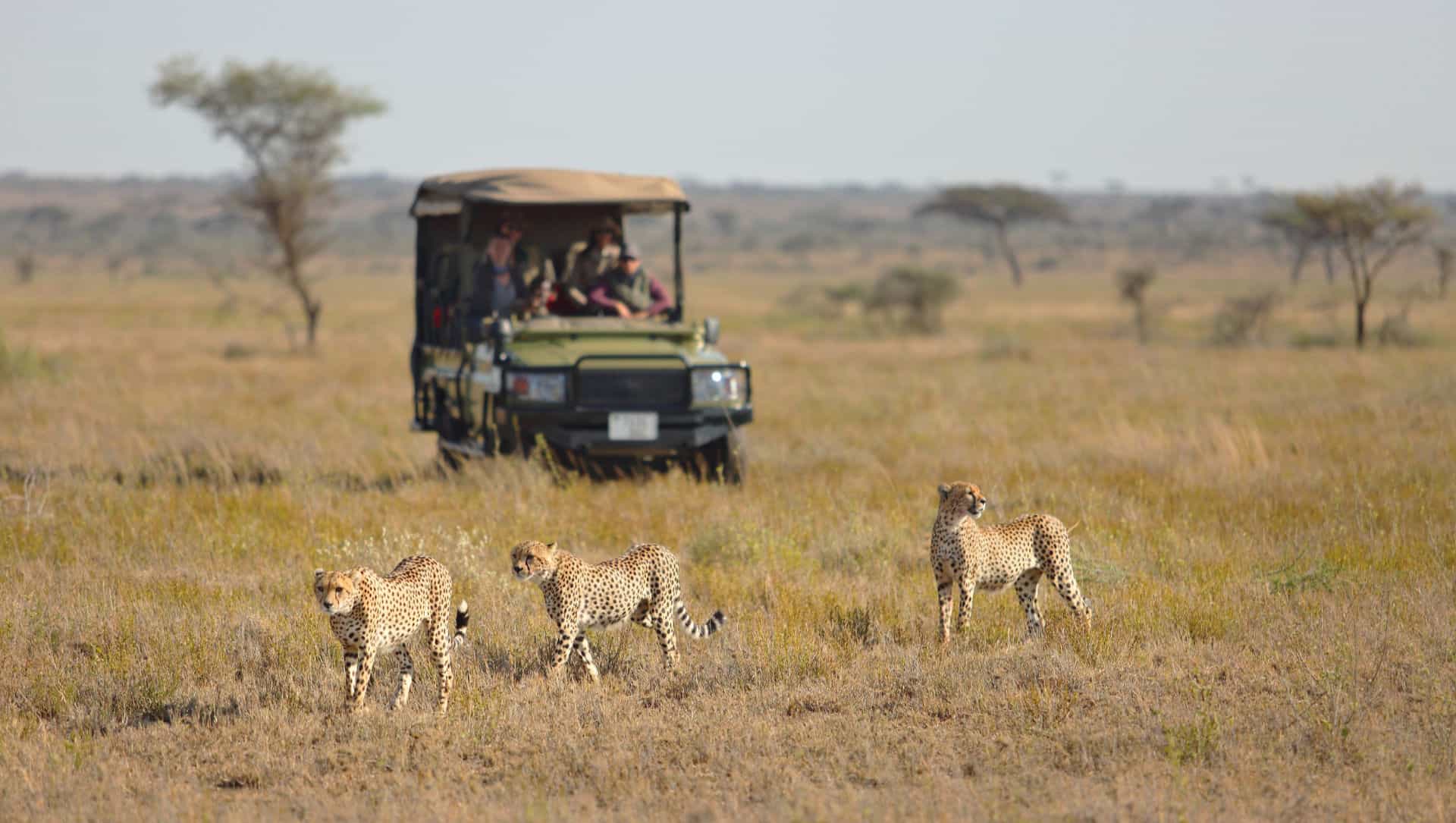
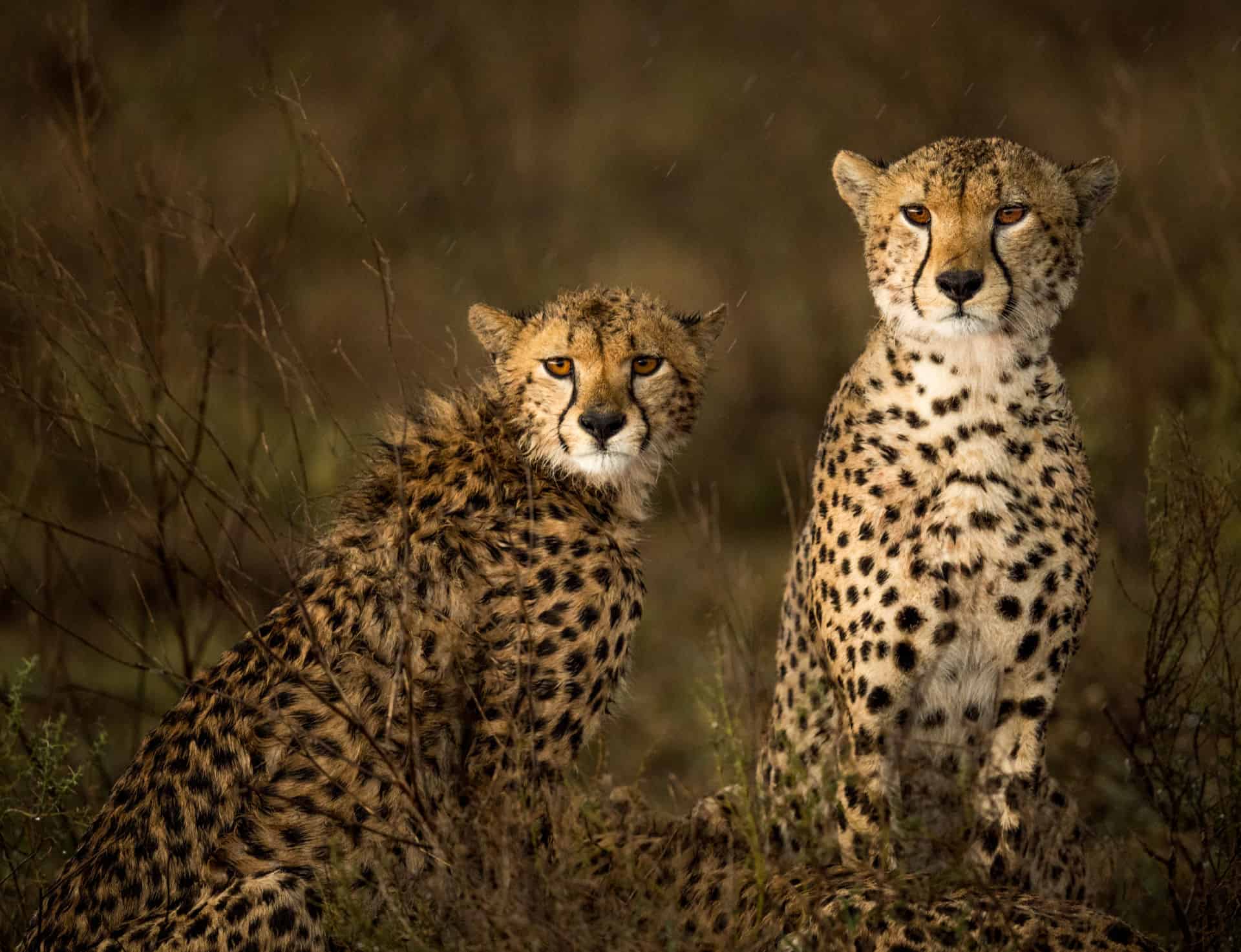
Kenyan wildlife reserves, national parks and conservancy’s among the best locations in Africa to see both black and white rhino, lion, cheetah, the ‘northern species’ including the rare Grevy’s zebra and, of course, the famous wildebeest migration in the Maasai Mara. In addition, Kenya also rates as one of the top five bird-watching destinations in the world with over 1,000 species recorded.
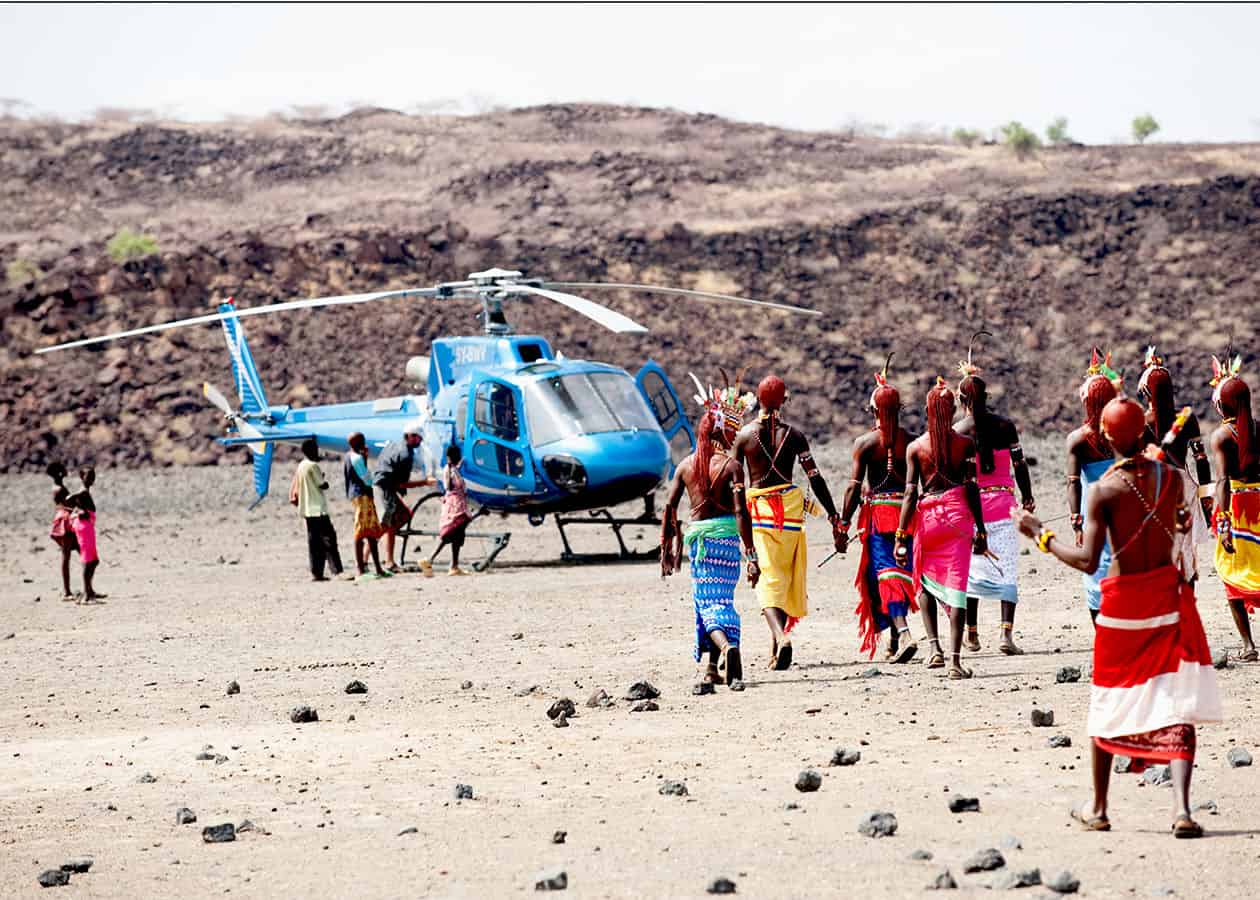
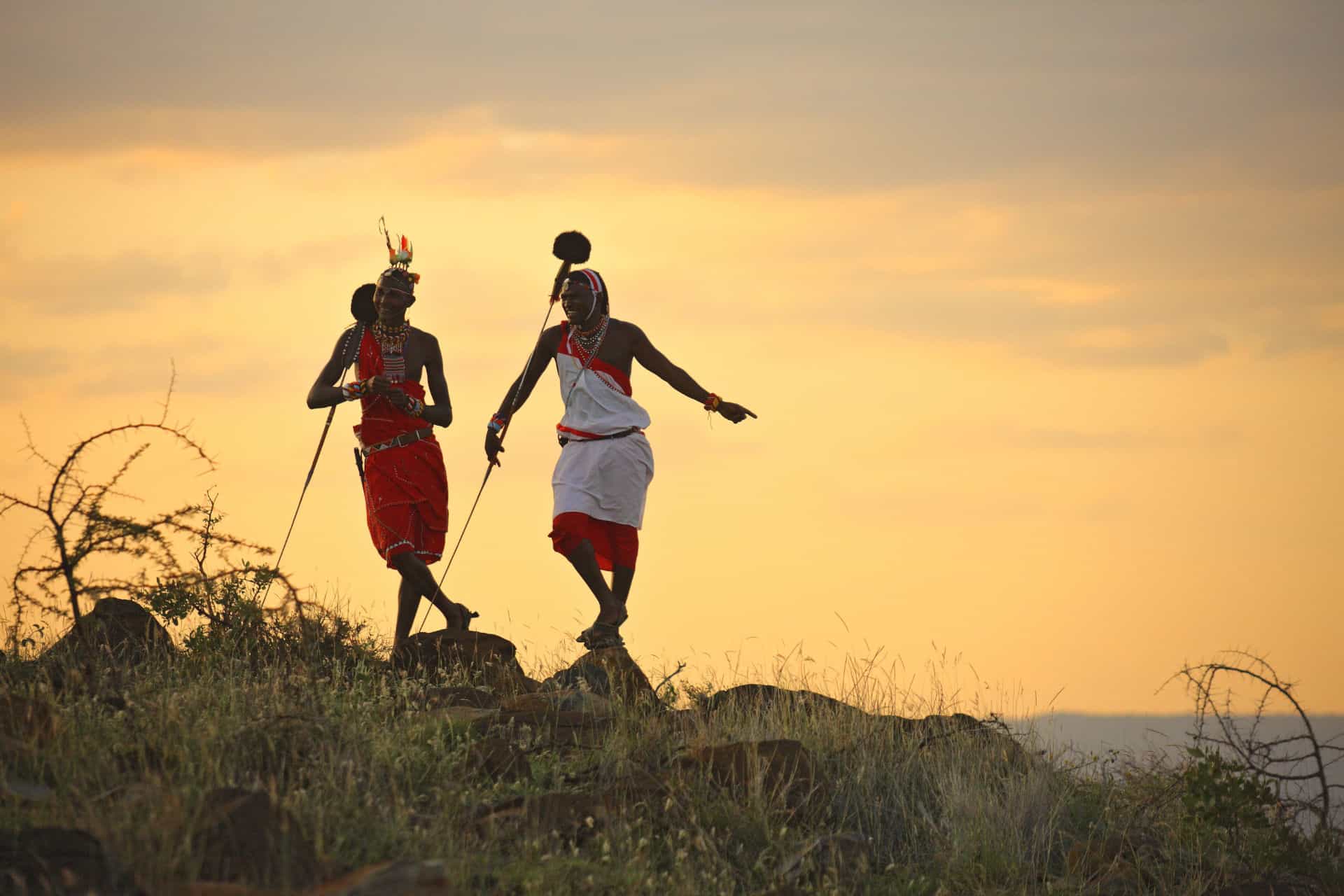
A country with a fascinatingly diverse population, Kenya is home to around 40 different tribes, each with their own languages and cultures. Major tribes include the Kikuyu, the Luyia and the Luo, but the most famous are the tall, proud, beautiful red-clad Maasai and Samburu who still lead a traditional, semi-nomadic lifestyle.

Masai Mara
National Reserve spans an area of 1,800 square km and is part of the Serengeti ecosystem that extends from northern Tanzania into southern Kenya. It is the most well-known and most-visited reserve in Kenya, famed not only for the annual migration but also for the extraordinary density of big cats and resident plains game.
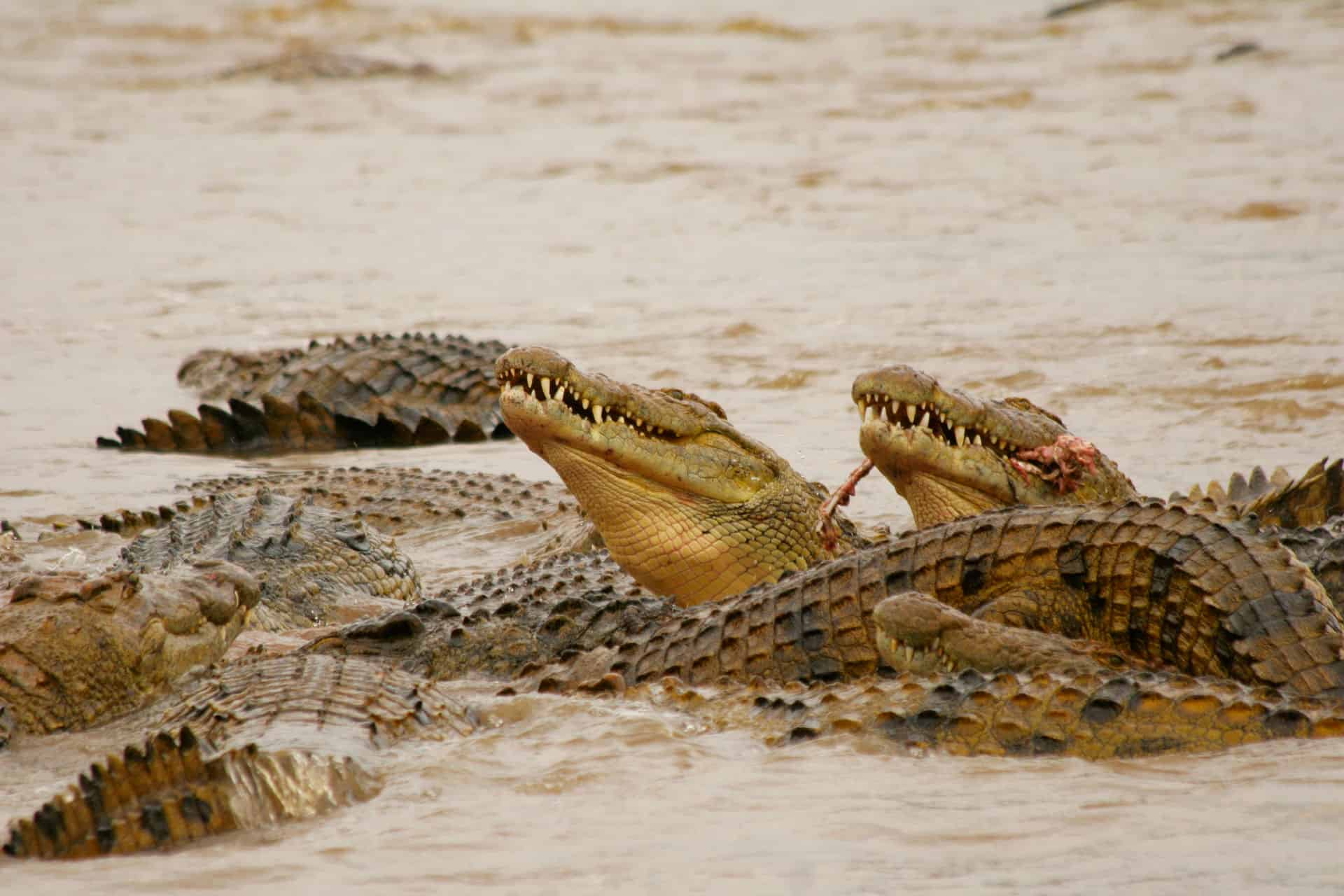
Witnessing an estimated 2 million, wildebeest, zebra and gazelle make their determined way from the plains of the Serengeti, across the Tanzanian border and rivers, to the Mara’s lush grasslands, is truly a breathtaking privilege.
In close proximity to the Masai Mara National Reserve there are several “group ranches” or ancestral wildlife areas owned collectively by the Maasai communities, which offer equally superb game viewing opportunities.
Lewa Wildlife Conservancy
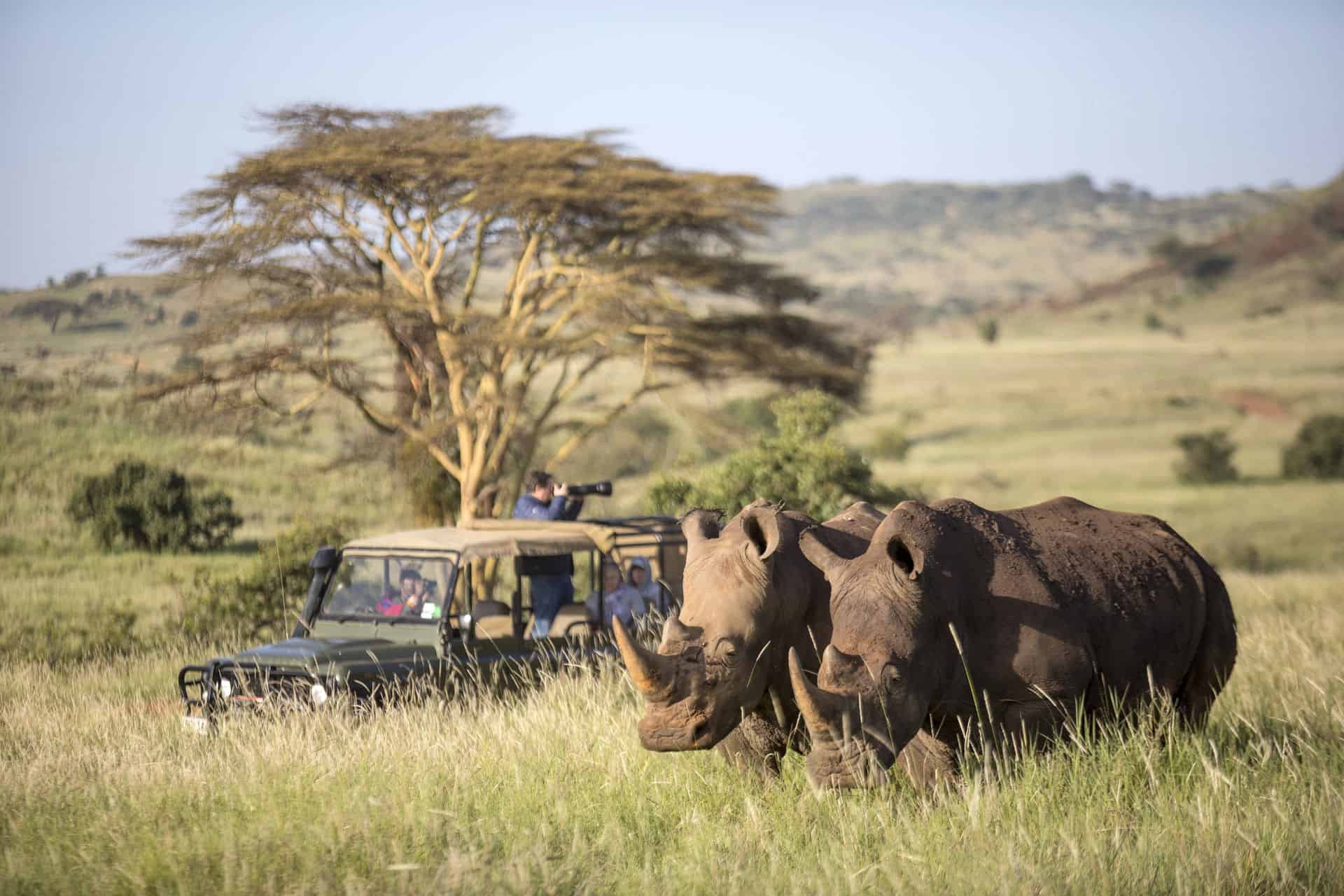
Which sprawls over the Laikipia plains, has recently been declared a World Heritage site. The peaks of Mount Kenya dominate the views to the south and rolling red hills spread north with long-ranging vistas. Home to over 10% of Kenya’s entire Black Rhino population and 14% of their White Rhino population, Lewa also hosts a myriad of wildlife, including an array of rare species ranging from the Grevy’s zebra to Sitatunga and Beisa Oryx.
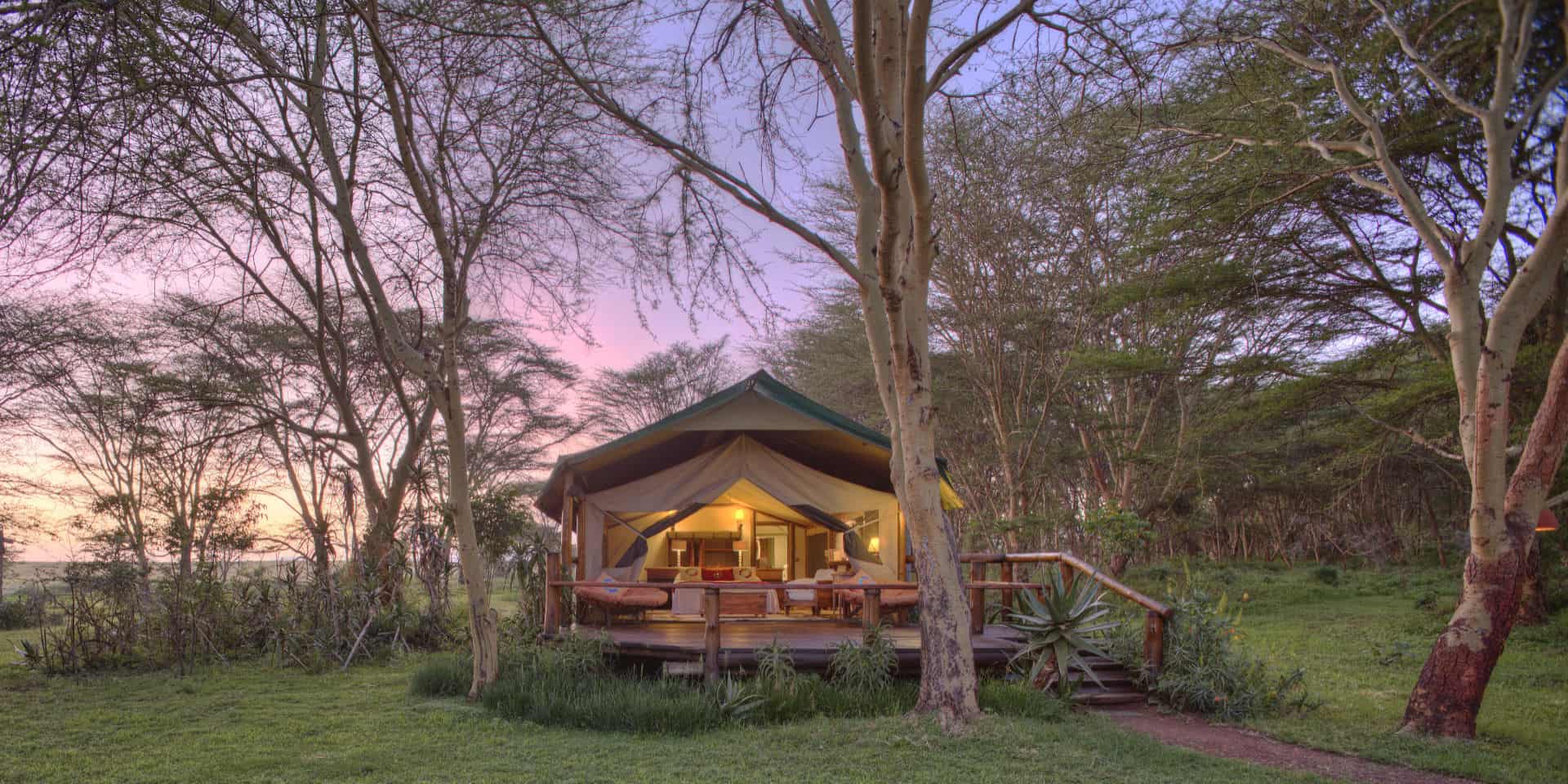
A variety of accommodation in beautiful, private homesteads are on offer in the region, with a range of safari experiences including camel-riding, horse riding, cycling, helicopter scenics, biplanes, walks and 4×4 game-drives.


Samburu and Buffalo Springs
Reserves are located at the arid fringes of Kenya’s vast Northern Frontier District. This rugged and dramatic landscape is home to the Samburu people, the pastoral relatives of the Maasai. The Ewaso Nyiro River is the lifeline of the area, running along the southern boundary dividing Samburu from Buffalo Springs Reserve.
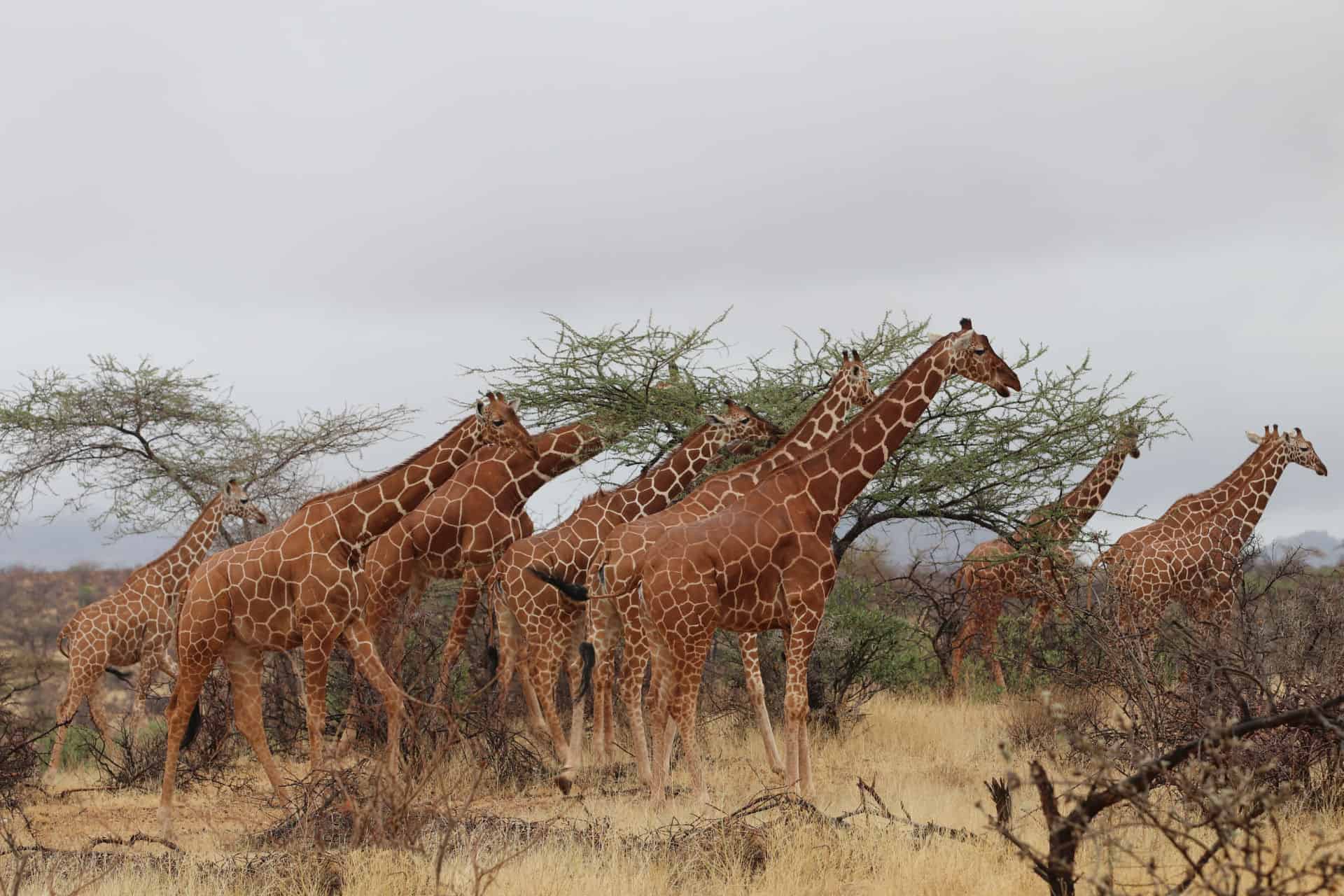
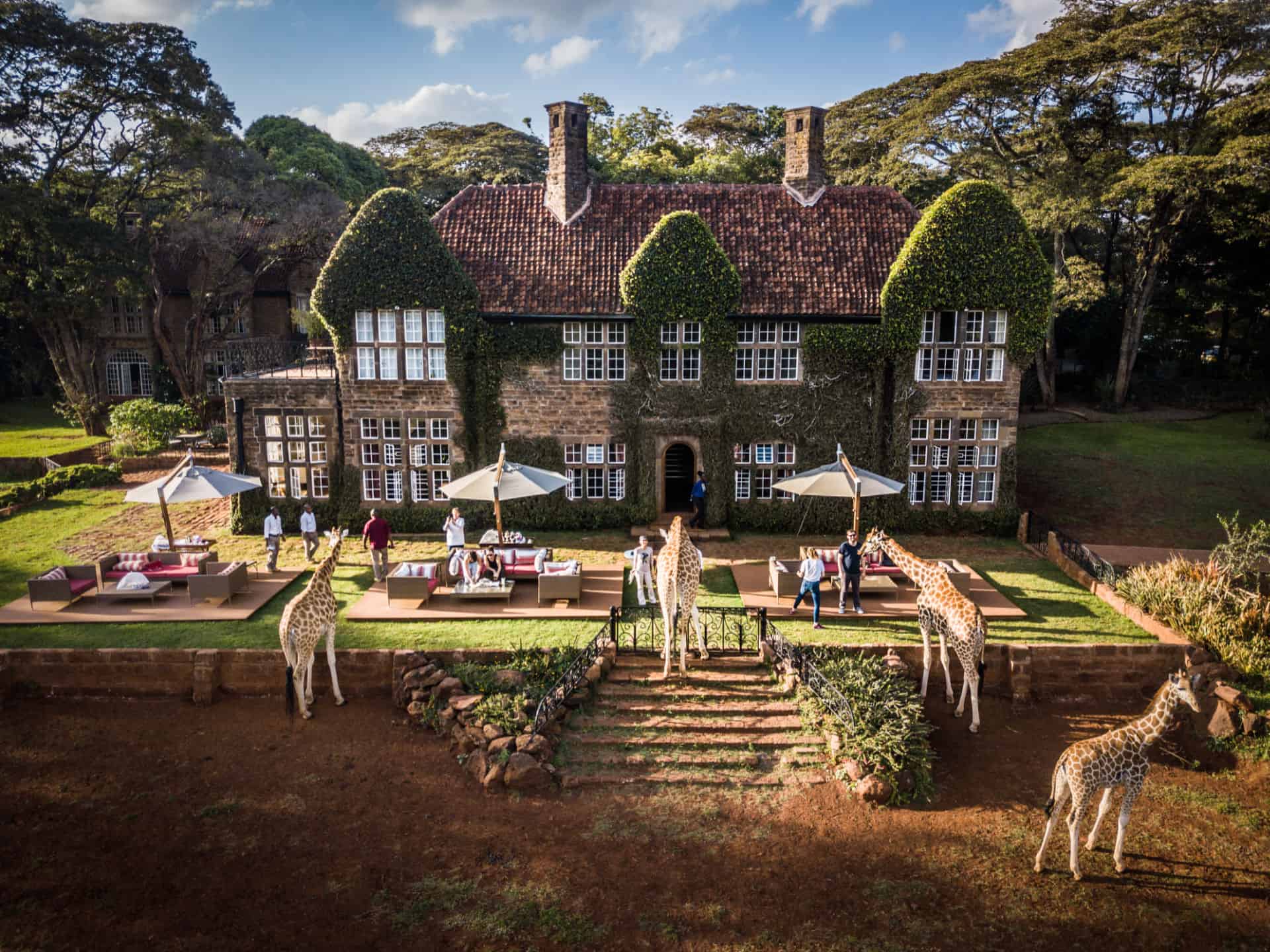
The habitat is dotted with Acacia and Thorntree woodlands, riverine forests and Doum Palms It is a land of diversity and contrasts, the ideal setting for a wide variety of wildlife, including endemic species such as Beisa oryx, the long-necked Gerenuk, Grevy’s zebra, reticulated giraffe and the Somali ostrich.
The Laikipia Plateau
The Laikipia Plateau in central Kenya is largely comprised of privately owned ranches that have been merged by local communities to create vast conservancies. Home to ethnically diverse communities including the Mukogodo Maasai and Samburu, these indigenous tribes people have joined together in partnership with the settlers and ranchers to create a conservation and wildlife haven spanning two million acres (800,000 hectares) of savannah. Wild and sparsely populated, this region has become a global example of good conservation practice and leadership.
Meru
Meru is the home of George and Joy Adamson, and their beloved lioness, Elsa, of Born Free fame. Meru National Park is wild, beautiful and one of the more remote Kenyan safari locations.
To the north East of Mount Kenya and straddling the equator, Meru is cut through by 13 river channels and numerous mountain-fed streams that create a particularly luscious oasis. Wide open plains and swamplands converge along wandering riverbanks that are adorned with Doum palms. The recently extended sanctuary for Black and White Rhino provides a superb opportunity to view these magnificent creatures.
Amboseli National Park
Situated at the foot of Mount Kilimanjaro, Africa’s highest mountain at 5,895 meters. The grandeur of this iconic natural landmark permeates every view of Amboseli, the snow-capped mountain framing perfectly that classic image of the majestic Kenyan elephants making their solemn and determined journey across the plains. The swampy springs, fed by underground rivers from Kilimanjaro’s melting snow, provide permanent water for the multitude of birdlife and game.: 425 species of birds and 80 species of mammal have been recorded here.
The Chyulu Hills
A beautiful series of volcanic hills to the north of Amboseli and Mt Kilimanjaro, give way to rolling plains of fertile volcanic soils, lava tubes, ragged craters, exotic plants, aromatic cedar forests and rolling grasslands as far as the eye can see. Activities include mountain biking, horseback riding, guided nature walks, and visits to meet local Maasai herdsmen.
A superbly executed trip with a phenomenal guide. Africa Bound Safaris is a rare company where a meticulous planner and an extraordinary guide amplify one another’s gifts.